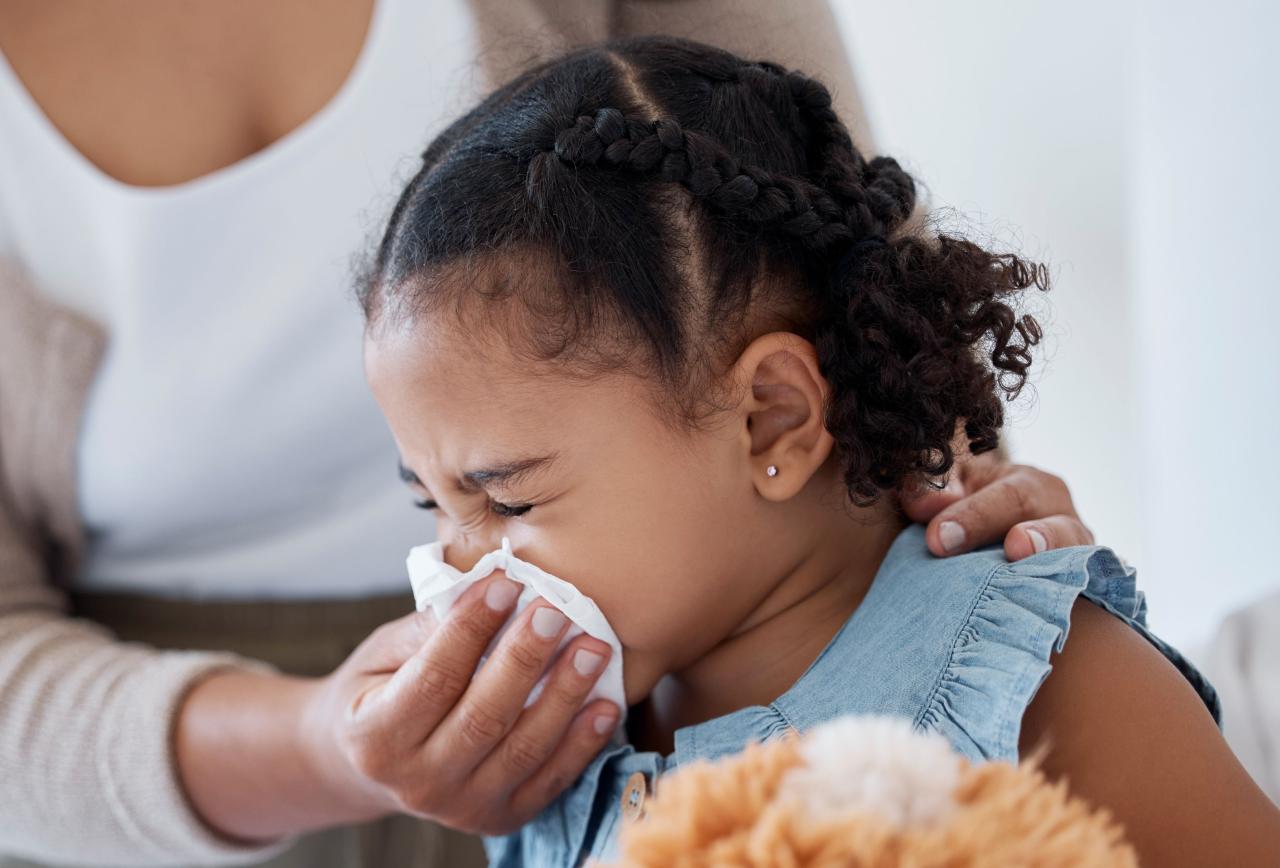
A runny nose. A cough. A fever that seems to appear out of nowhere. When your child is sick, it is natural to want an answer right away, especially during respiratory illness season.
The tricky part is that the common cold, flu, respiratory syncytial virus (RSV) and COVID-19 can look very similar in children. Even healthcare professionals can’t always identify the cause based on symptoms alone. A test, an examination or both may be needed to know for sure.
Still, understanding the patterns commonly associated with each illness can help you decide what to watch, how to keep your child comfortable and when to call their pediatrician.
At a glance: How symptoms may compare
This chart offers general clues—not a diagnosis. Children can have mild, unusual or overlapping symptoms with any respiratory virus.
What does a common cold look like in children?
Colds tend to develop gradually. Your child may start with a scratchy throat, sneezing or a runny nose before a cough appears. Symptoms are often milder than the flu, and many children still have at least some of their usual energy.
A cold can still make for a long week—especially when sleep is interrupted or one family member after another gets sick. Rest, fluids and age-appropriate comfort measures can help while the illness runs its course.
What does flu look like in children?
Flu often hits harder and faster than a cold. A child who seemed fine in the morning may suddenly develop a fever, chills, cough, headache, body aches or significant fatigue. Some children also have vomiting or diarrhea. Not every child with flu has a fever.
Children younger than 5—especially those younger than 2—and children with certain chronic health conditions have a higher risk of serious flu complications. If your child may have flu, call their pediatrician promptly. Prescription antiviral medicine may be recommended and works best when started early, especially for children at higher risk or those who are very sick.
What does RSV look like in children?
For many older children, RSV resembles a cold. Symptoms commonly include a runny nose, congestion, cough, sneezing, fever and decreased appetite. Symptoms may appear in stages rather than all at once.
RSV deserves extra attention in babies and young children because it can make breathing and feeding difficult. Watch for wheezing, faster-than-usual breathing, ribs pulling in with each breath, fewer wet diapers or trouble drinking. Very young infants may show only irritability, decreased activity or breathing difficulty rather than the symptoms parents expect.
What does COVID-19 look like in children?
COVID-19 can cause fever, chills, cough, sore throat, congestion, fatigue, headache, body aches, nausea, vomiting or diarrhea. Some children have very mild symptoms, while others feel quite sick.
Because COVID-19 and flu share so many symptoms, testing may be the only way to distinguish them. Knowing the cause can help you follow current recommendations, protect people who may be more vulnerable and discuss the right treatment with your child’s pediatrician.
So, how can you know for sure?
Think of symptoms as clues rather than a final answer. The timing of the illness, known exposures, your child’s age and health history, which viruses are circulating locally and test results can all help clarify what is going on.
Contact your child’s pediatrician if you are unsure whether testing is appropriate, symptoms are worsening or you are concerned about how your child looks or acts. You know your child best; it is always reasonable to call when something does not feel right.
When should you seek urgent medical care?
Get medical help right away if your child has:
Fast, difficult or labored breathing
Bluish or gray lips or face
Ribs pulling in with each breath
Chest pain
Signs of dehydration, such as a dry mouth, no tears when crying or no urine for about eight hours
Trouble waking, unusual confusion or little interaction when awake
A seizure
Severe muscle pain or refusal to walk
A fever or cough that improves and then returns or worsens
A fever of 100.4°F (38°C) or higher in a baby younger than 12 weeks
This is not a complete list. Seek emergency care whenever your child has severe or concerning symptoms.
Help your child feel better while you watch symptoms
Offer fluids often, encourage rest and keep your child home while they are sick. Ask their pediatrician which medicines and comfort measures are safe for their age. Avoid giving aspirin to children or teenagers with a suspected viral illness, and don’t give over-the-counter cough or cold medicine to a young child unless a healthcare professional recommends it.
Parenting does not come with a built-in symptom checker—and respiratory season can make even experienced parents second-guess themselves. You don’t have to figure it out alone. When you are uncertain, your child’s pediatrician can help you choose the next right step.
Frequently Asked Questions
Can a child have flu without a fever?
Yes. Fever is common with flu, but not every child who has flu develops one. Cough, fatigue, body aches, headache or other symptoms may still be present.
Is wheezing always a sign of RSV?
No. RSV can cause wheezing, especially in babies and young children, but other respiratory illnesses can also cause it. Contact your child’s pediatrician if your child is wheezing or seems to be working harder to breathe.
Can a child have more than one respiratory virus at the same time?
Yes, coinfections can occur. Because symptoms overlap, a healthcare professional can help determine whether testing or treatment is needed.
Not sure what’s behind your child’s symptoms? Schedule a visit with a pediatrician for answers and a care plan.