
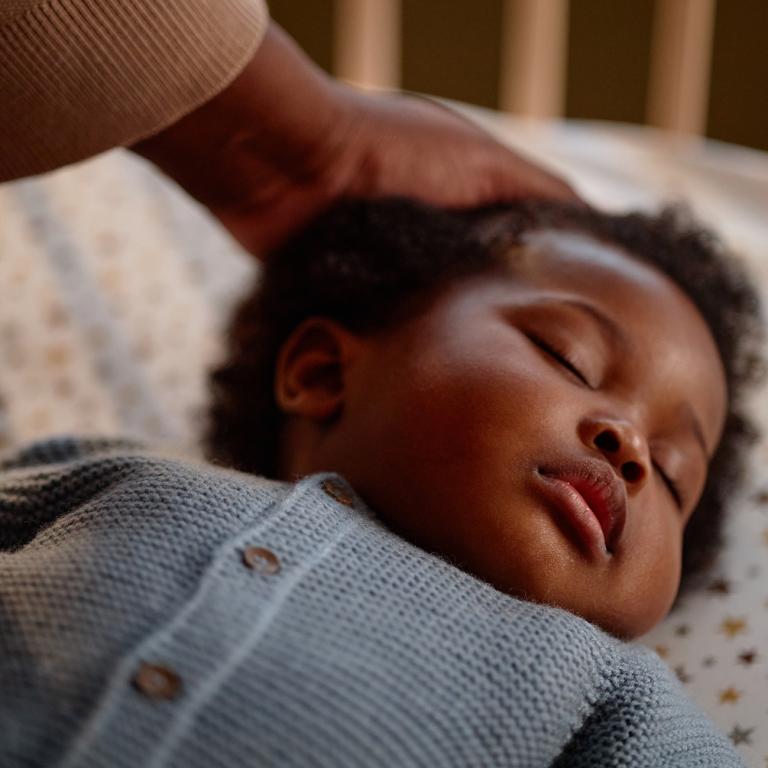
Getting quality sleep is an essential part of a healthy childhood. Learn how to establish a consistent bedtime routine and overcome common sleep challenges, so your child can be counting sheep in no time.
Table of contents
Why sleep matters
It usually isn’t until adulthood that we begin to appreciate the value of a good night’s sleep. Most parents look forward to going to bed at the end of a long, busy day. Children – not so much.
For many children (and their tired parents), bedtime is often the most dreaded time of the day. Your child may try clever strategies like asking for more bedtime stories, begging for a snack or drink, having a tantrum, and other tactics to delay going to bed. Some children are genuinely afraid to go to sleep due to separation anxiety, nightmares, and night terrors.
Adequate sleep is essential for your child’s growth, brain development, learning, emotional well-being, and overall health. However, research shows that as many as 20-30% of babies and toddlers have trouble sleeping – a number that continues to climb as they get older. By the time they reach high school, over 70% of teenagers report getting insufficient sleep.
The loss of all those ZZZZs is costly. Lack of adequate sleep can lead to behavioral issues, poor concentration, irritability, mood swings, weakened immunity, weight problems, and more. Bedtime routines help create the security and structure needed for healthy sleep habits – but you should start as soon as possible.
Recommended sleep guidelines by age
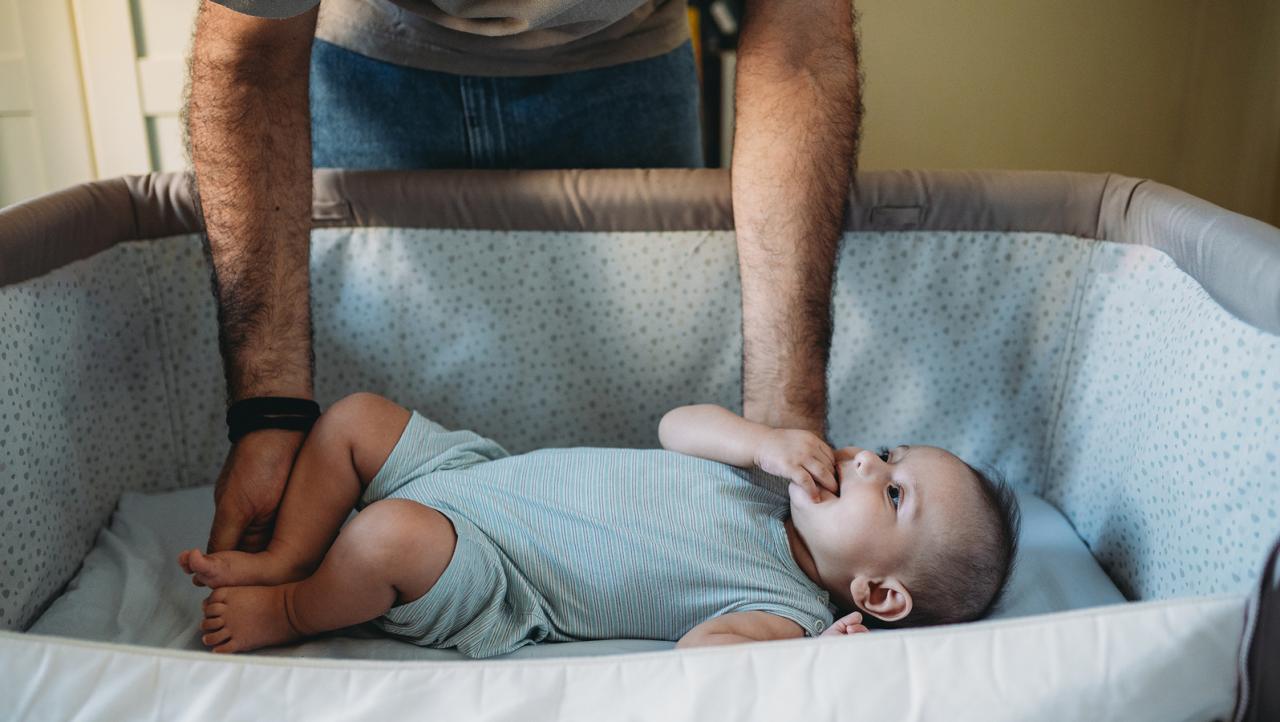
Is your child getting enough sleep? The recommended sleep guidelines by age per 24 hours are:
Newborns (0-3 months)
14-17 hours, with understanding that newborns have irregular sleep/wake cycles
Infants (4-11 months)
12-15 hours, including naps
Toddlers (1-2 years)
11-14 hours
Preschoolers (3-5 years)
10-13 hours
School-aged (6-13 years)
9-11 hours
Teens (14-17 years)
8-10 hours
Now you can probably understand why so many children aren’t hitting these sleep goals set by the American Academy of Pediatrics, the American Academy of Sleep Medicine and other leading health organizations. If your child is falling short, it’s time to begin a consistent bedtime routine.
What are bedtime routines?
If you are the parent of a young insomniac, you already know how frustrating bedtime struggles can be. One of the easiest ways to set your child up for good sleep is by creating a bedtime routine. Here’s the good news: it usually only takes a few nights of following the routine to see improvements in your child’s sleep habits.
Bedtime routines are a consistent, repetitive set of activities that are completed before bed every night. These activities prepare your child for sleep by helping them relax and signaling to their brain that it’s time to wind down and rest.
A predictable routine also gives your child a sense of security and teaches them how to fall asleep on their own – an especially important skill for parents who are ready to be done with late-night drama.
Benefits of a consistent bedtime routine
There are several benefits of a consistent bedtime routine, many that are still seen years later in children who followed bedtime routines when they were younger. Setting a bedtime routine from the start with your baby makes it easier to maintain healthy sleep habits as your child grows.
Research shows that children with bedtime routines are more likely to go to sleep earlier, fall asleep faster, sleep longer, and wake up less during the night. Other key benefits include:
Improved mood and behavior during the day
Better focus and memory for school and learning
Strengthens your child’s natural circadian rhythms (the internal clock that regulates their sleep-wake cycle)
Regulates digestion, metabolism, and hormones
Boosts your child’s immune system
Encourages growth
Helps develop coping skills and emotional resilience
Teaches your child self-care
Fosters parent-child bonding
Now that you know why you should create a bedtime routine for your child, let’s focus on the how.
Tips for establishing healthy sleep routines
Most bedtime routines for children consist of 3-4 simple activities, such as:
Taking a warm bath
Putting on pajamas
Having a snack or drink/bottle/breastfeeding
Brushing their teeth
Reading a book
Singing a song or lullaby
Rocking or cuddling
These activities should always be done in the same order each night. To make the routine even more effective, start by dimming the lights in your child’s room to signal that it’s time to get ready for bed.
You can also help create a calm and predictable bedtime routine by:
Keeping bedtimes and wake times consistent, even on weekends and holidays
Ending all screen time at least 1-2 hours prior
Avoiding caffeine or sugary snacks before bedtime
Ensuring your child’s room is a sleep-friendly space – cool, dark, and quiet
Providing a blanket, stuffed animal, or other comforting object
Using positive reinforcement for cooperation, such as praise or reward charts
Your child’s bedtime routine should end with a goodnight kiss, and then it’s lights out. Be sure to leave the room while your child is sleepy but not fully asleep yet. This way, they will learn to fall asleep on their own and not panic if they wake up in the middle of the night to find themselves alone.
Common sleep challenges and solutions
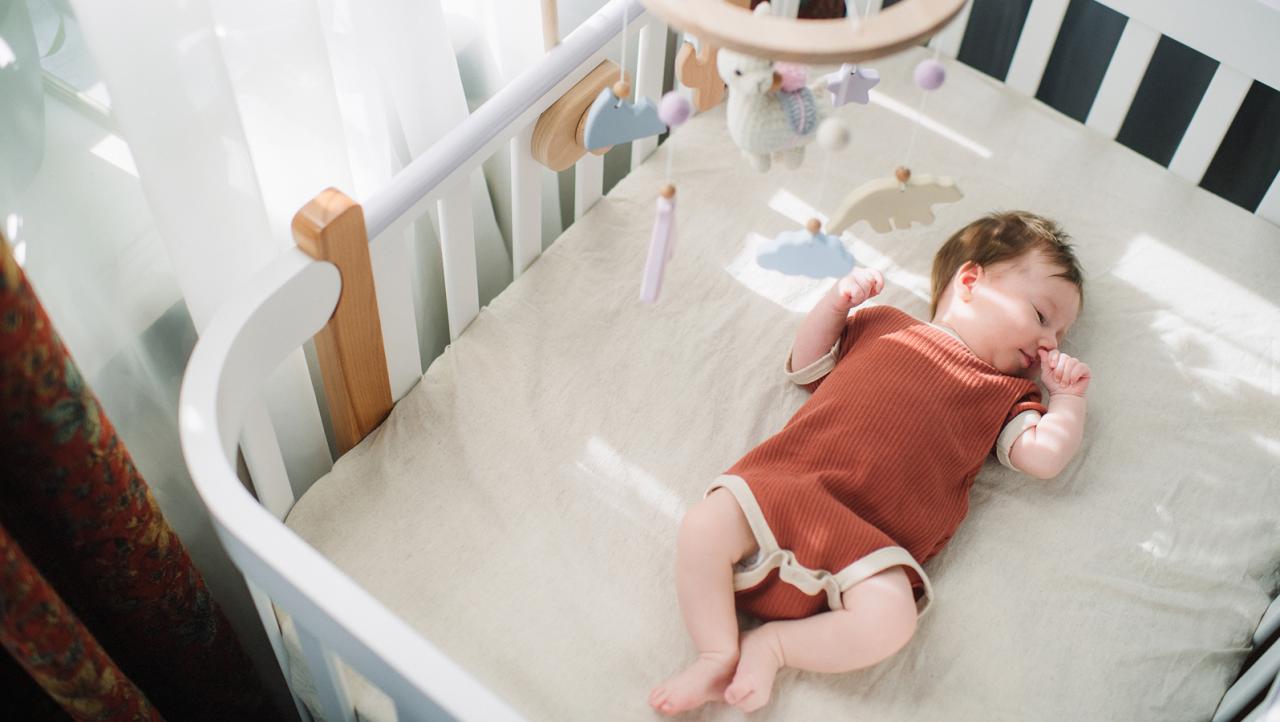
Of course, not all bedtime routines go smoothly. You may experience issues that make it harder to stick to your child’s bedtime routine at times. Here are some common sleep challenges and solutions to help you manage them if they arise:
Night wakings
Keep any interactions with your child brief and calm during the night.
Avoid turning on any lights, picking up your child, or engaging in other stimulating activities.
Gradually wean babies from overnight feeds starting when they are 6 months old.
Resistance to bedtime
Even when your child resists, stick to the routine. Don’t cave!
Offer choices, such as what pajamas to wear or what book to read, to give them a greater sense of control.
Separation anxiety
Reassure them that you will be in close proximity, using a gentle voice and touch.
Separate yourself from them gradually, from their bedside to across the room to the doorway.
Bedwetting
Use waterproof mattress covers to protect your child’s bed.
Limit fluids before bed and encourage your child to use the restroom one last time.
Consult your pediatric provider if your child is still having accidents past age 6, especially if they have been dry for a period of time and then the accidents restart.
Sleep regressions
Sleep regressions often occur at 4, 8, and 12 months or during any household disruptions, such as a new baby, moving, divorce, or arguments between family members.
Maintain your child’s bedtime routine while offering them extra comfort.
What a nightmare
When your child wakes up crying from a dream, it’s likely they had a nightmare. Nightmares are scary dreams that often happen during the second half of the night when dreaming is most intense.
Nightmares can begin as early as six months of age and tend to peak between 3-12 years of age. Children who have nightmares often wake up afraid and have difficulty getting back to sleep. You can help by:
Going to your child as quickly as possible.
Assuring your child that you are there and won’t let anything harm them.
Encouraging them to tell you what happened in the dream.
Reminding them that dreams are not real.
Allowing them to keep a light on if it makes them feel better.
Encouraging your child to go back to sleep once they have calmed down.
If something is scaring your child, like shadows or darkness under their bed, be sure to show them their room is safe before you leave. Otherwise, the trek back to your own room might not last long.
Childhood night terrors
Night, or sleep, terrors are most common between the ages of 3 and 7 and usually occur in the first few hours after falling asleep, during deep non-dream sleep. They can be distressing to watch but are not harmful to you child. They can involve intense crying, screaming, or thrashing while the child remains asleep and unaware of your presence. Unlike nightmares, children typically do not remember the event the next day.
A lot of night terrors happen when a child is overtired, stressed or sick, so having a consistent bedtime routine is one way to prevent them. But if a night terror still happens, here’s what to do:
Avoid waking your child.
Stay calm and remember that it won’t harm your child.
Keep your child safe. If they try to get out of bed, gently restrain them.
After a short time, your child will likely relax and fall back asleep.
If your child has night terrors, be sure to tell family members and babysitters what they are and how to respond.
If night terrors keep happening, talk with your child’s pediatric provider.
Sleepwalking
Sleepwalking is a disruption in the sleep cycle that prompts people to walk, talk, and even perform routine activities – all while they are asleep. Sleepwalking tends to run in families and can occur several times in the same night.
It’s often difficult to wake a child while they are sleepwalking. They may appear confused or disoriented, and most children won’t remember the episode when they wake up.
If your child is a sleepwalker, follow these important safety tips:
Clear your child’s room of things they could fall or trip on.
Lock all outside doors so your child cannot leave the house.
Block stairways so your child cannot climb up or down.
Do not try to wake your child. Instead, gently lead them back to bed where they can settle down on their own.
Sleep Medications
Many parents wonder whether sleep medications can help when their child has trouble falling or staying asleep. The most commonly used options are melatonin (a supplement that mimics the body’s natural sleep hormone) and diphenhydramine (an antihistamine found in products like Benadryl or some “PM” pain relievers). While melatonin can be helpful for certain children—such as those with delayed sleep phase, autism spectrum disorder, or ADHD—it is not a cure for insomnia. Melatonin is best used short-term and under a doctor’s guidance, as its long-term safety in children is still being studied. It’s also important to use a reputable brand, since supplement quality can vary widely, and to give it at the right time (usually 30–60 minutes before bedtime).
Diphenhydramine, on the other hand, is not recommended for helping children sleep. It can cause unwanted side effects like next-day grogginess, irritability, dry mouth, or even paradoxical excitement (making some kids more awake, not less). Regular use can also lead to tolerance, meaning it stops working over time. It should never be used as a nightly sleep aid unless specifically directed by a healthcare provider.
For most children, improving sleep routines works better than medication. We recommend following the strategies mentioned previously and talking to your pediatrician before trying any of these sleep medications.
When to talk to a pediatrician
You should seek medical care ASAP if your child:
Snores loudly, gasps, or stops breathing when they sleep (which are signs of sleep apnea)
Has persistent difficulty falling or staying asleep
Has frequent nightmares or night terrors that disrupt your family’s daily life
Is often sleepy during the day or has behavior problems
If your child’s sleep issues persist despite making adjustments to their bedtime routine and are causing distress for your household, Pediatric Associates is here for you. Our team can provide solutions to help your child get a good night’s sleep, so you sleep soundly as well.