Up to 80% of mothers experience some form of postpartum "baby blues" after their newborn arrives, from mood swings to crying spells. Find out what to do when those feelings of sadness and anxiety don't go away, and how they can impact you and your baby.
Table of contents
- Introduction
- Postpartum depression and anxiety are real
- How postpartum depression and anxiety differ
- Is it "baby blues" or something more?
- Postpartum depression symptoms
- Postpartum anxiety symptoms
- What causes postpartum depression and anxiety?
- Can you have postpartum depression or anxiety after a miscarriage?
- The importance of postpartum depression and anxiety screenings
- Don't be afraid to share your feelings
- How to treat postpartum depression and anxiety
- Warning signs that you need immediate care
- Remember, you are not alone
Postpartum depression and anxiety are real
Having your baby can kickstart a variety of powerful emotions, from excitement and joy to worry and fear. But for many mothers, it also results in something they might not expect – postpartum depression and anxiety.
Whether you have "baby blues" that last a few weeks or you experience the more severe, long-lasting symptoms associated with postpartum depression and anxiety, it's important to acknowledge that these conditions are common. They are real. And they are treatable.
Postpartum depression and anxiety are signs of weakness or failure. Sometimes, they are simply part of giving birth. Most mothers will have some form of "baby blues" at first, but up to 20% of mothers end up developing postpartum depression or anxiety in the weeks and months after delivery – so you are certainly not alone.
Sadly, postpartum depression and anxiety often go unrecognized, as mothers chalk up their symptoms to the stress and exhaustion of caring for a newborn. By learning what causes postpartum depression and anxiety, how long the symptoms last, and when to seek treatment, you can be better prepared if postpartum depression or anxiety happens to you.
How postpartum depression and anxiety differ
Just like general depression and anxiety, postpartum depression and anxiety have some key differences.
Postpartum depression is a mood disorder that affects mothers after childbirth and is characterized by persistent sadness, hopelessness, and loss of interest in activities you once enjoyed.
Postpartum anxiety is an anxiety disorder that occurs after childbirth and causes excessive worry, fear, or panic. While postpartum depression centers on mood, postpartum anxiety is marked by nervousness, restlessness, and a sense of dread.
Unlike the "baby blues," which typically last anywhere from a few days to 1-2 weeks after your baby is born, postpartum depression and anxiety can continue for several weeks or months and may require professional treatment.
Is it "baby blues" or something more?
Giving birth and the early days of caring for a newborn are both physically and emotionally exhausting. You're tired. You're sore. You spend most of the day (and night) feeding your baby. During this time, it's not uncommon to feel elated one minute and start crying the next.
"Baby blues" are primarily caused by the rapid drop in hormones – particularly estrogen and progesterone – that happens after childbirth. Other factors like sleep deprivation and stress also play a role.
"Baby blues" are actually a mild form of depression. In addition to sadness and anxiety, the most common symptoms of "baby blues" include mood swings, crying, irritability, and feeling overwhelmed. However, these symptoms are short-lived and usually resolve in less than two weeks.
Postpartum depression and anxiety are often mistaken for "baby blues" at first, but the symptoms are more intense and last longer. For some mothers, the symptoms become severe enough to hinder their ability to care for their baby. If your feelings of sadness or anxiety aren't going away, it's time to take a closer look at what's happening.
Postpartum depression symptoms
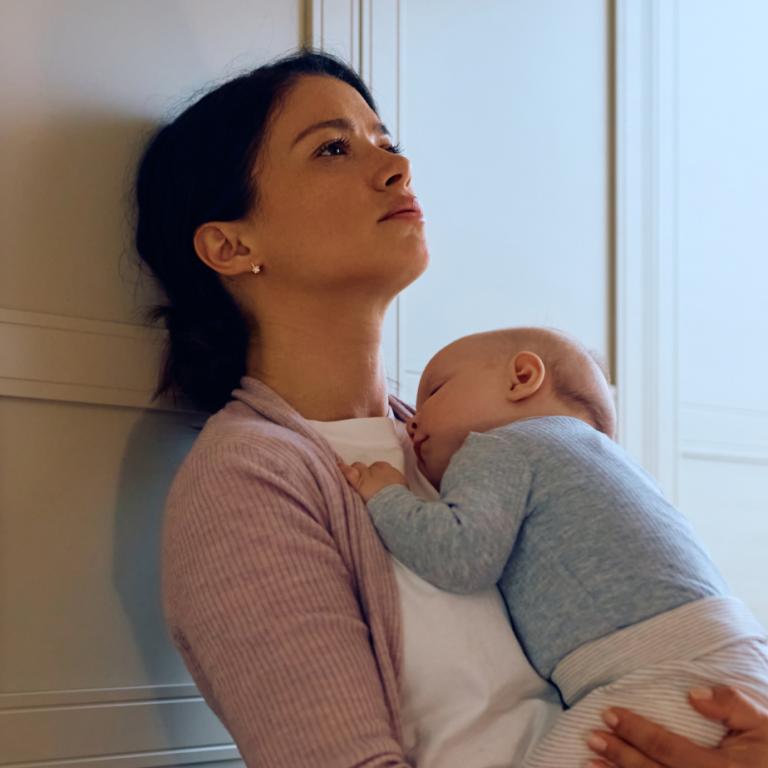
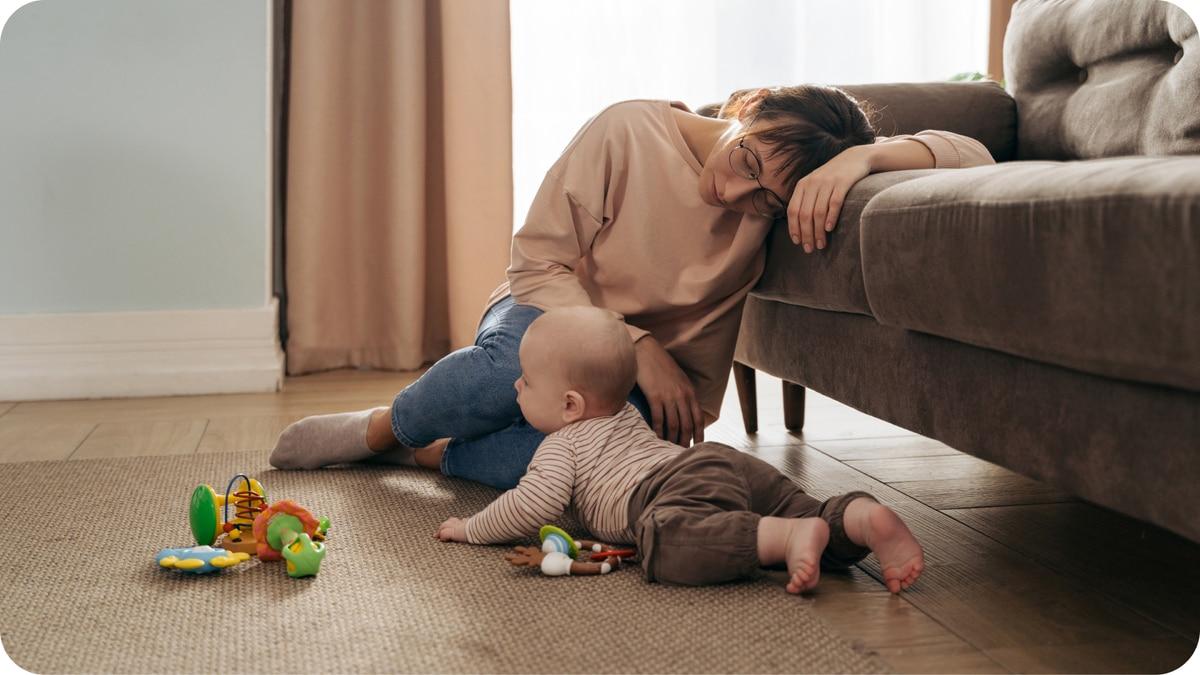
There's no doubt that having a baby is a life-changing experience. It's normal to feel overwhelmed, especially if this is your first time giving birth. But in the midst of the chaos, you may feel extremely sad and lonely. You may have severe mood swings or frequent crying spells. At some point, you may begin to doubt your role as a mother.
Postpartum depression symptoms typically develop within the first few weeks after giving birth, but may begin earlier – even during your pregnancy – or up to a year later. Some common postpartum depression symptoms include:
Persistent sadness
Crying
Hopelessness
Worthlessness
Feelings of guilt or shame
Loss of interest in bonding with your baby
Loss of interest in activities you once enjoyed
Changes in appetite or sleep
Fatigue
Difficulty concentrating
Thoughts of harming yourself or your baby
Postpartum anxiety symptoms
Having a new baby is likely to bring worry into your life. But if you have postpartum anxiety, this worry may be nonstop and all-consuming. You may feel a constant sense of danger, but not understand why. These thoughts are often out of control and difficult to manage.
Postpartum anxiety symptoms can also develop up to a year after giving birth. Some common postpartum anxiety symptoms include:
Constant worry
Sense that something bad will happen
Racing thoughts
Palpitations, dizziness or nausea
Panic attacks
Restlessness
Inability to relax
Sleep disturbances
Irrational fears about your baby's safety
What causes postpartum depression and anxiety?
Is postpartum depression and anxiety genetic? Or do other factors play a role? The answer is yes to both. Postpartum depression and anxiety can happen to anyone, but there are several factors that put you at greater risk, such as:
Personal or family history of depression
Personal or family history of anxiety
Other mental health conditions
Traumatic birth experience
NICU admission or infant health concerns
Complicated or high-risk pregnancy
History of pregnancy loss
Hormonal fluctuations
Sleep deprivation
Lack of support
Sometimes, life circumstances can put you at additional risk as well. Do you have a lot of stress in your life? Perhaps you are having relationship troubles with your partner, or your pregnancy was unplanned. Situations like these can all make you more susceptible to postpartum depression and anxiety. If your baby has health problems or is especially fussy, adjusting may be even harder.
Of course, not all mothers with these risk factors will develop postpartum depression or anxiety. It's always best to speak with a provider who can evaluate your symptoms.
Can you have postpartum depression or anxiety after a miscarriage?
People often think that postpartum depression or anxiety only happen after giving birth, but you can experience them after a miscarriage as well.
Having a miscarriage is an intensely emotional experience. While miscarriage is relatively common – an estimated 20% of all pregnancies end in miscarriage – that certainly doesn't make it any easier.
Whether the miscarriage occurs early or late in your pregnancy, you still face rapid hormonal shifts, plus the devastating loss of your baby. Getting help for postpartum depression or anxiety after a miscarriage is crucial to your health and relationships.
The importance of postpartum depression and anxiety screenings
Postpartum depression and anxiety can have a significant impact on your well-being, safety, and the bond between yourself and your baby. Less mother-baby interaction can lead to delays in language, social skills, motor skills, and other stages of growth and development.
It's not your fault, and none of this makes you a bad parent – but screenings can help.
Regular mental health screenings are an excellent way to monitor your emotional wellness and identify the early signs of postpartum depression and anxiety. Pediatric providers also play an important role, since they see mothers and babies more frequently.
Screenings often occur at both postpartum and pediatric newborn/infant visits, using tools like the Edinburgh Postnatal Depression Scale and the GAD-7 Anxiety Scale to self-report symptoms. Ask your Pediatric Associates provider to learn more.

Don't be afraid to share your feelings
Without open communication, postpartum depression and anxiety can disrupt family dynamics, put a strain on your personal relationships, and impact your quality of life.
There's no need to suffer in silence. We encourage you to speak openly about your emotional well-being in the weeks and months after giving birth, especially if you are struggling. Support is available in many places, from partners and peers to family members and medical professionals.
How to treat postpartum depression and anxiety
If you decide to seek professional help, there are many treatment options to consider:
Therapy
Cognitive behavioral therapy (CBT) and interpersonal therapy (IPT) are both effective at treating postpartum depression and anxiety. CBT focuses on identifying and changing negative thoughts and behaviors, while IPT focuses on resolving interpersonal relationship issues.
Medications
SSRIs are a class of medications used to treat depression and anxiety symptoms by increasing your serotonin levels. Serotonin is often referred to as the "feel-good" hormone. Antidepressants and anti-anxiety medications are generally considered safe for breastfeeding mothers, but always consult with your provider first.
Support groups
Support groups for postpartum depression and anxiety offer a safe space to connect with others who understand what you are going through. Many groups offer both in-person and virtual resources. For example, Postpartum Support International has over 50 free online support groups, a helpline, a mobile app, and more.
Self-care
When you spend most of the time taking care of your baby, it can be hard to imagine doing anything else. But you can't take care of your baby properly if you don't also take care of yourself. Adequate sleep, good nutrition, and regular exercise are essential to keeping you physically and mentally well. Even a few minutes of deep breathing or meditation can work wonders for stressed-out mothers.
Warning signs that you need immediate care
Confusing the symptoms of postpartum depression and anxiety with "baby blues" is common – but sometimes ignoring these symptoms can be dangerous. Seek professional care immediately if you:
Have thoughts of self-harm or suicide
Have thoughts of harming your baby or other children
Are unable to care for yourself or your baby
Have any signs of postpartum psychosis, such as hallucinations or delusions
Postpartum psychosis is another severe but treatable mental health condition that affects mothers after they give birth. This condition is rare but very dangerous and should be considered a mental health emergency. Postpartum psychosis affects a mother's sense of reality, causing hallucinations, delusions, paranoia, or other extreme behavior changes. A mother with postpartum psychosis may attempt to harm herself or her baby.
If you are experiencing any of these warning signs, call 911, contact a crisis line, or go to the nearest emergency room right away.
Remember, you are not alone
Pediatric Associates is committed to protecting the health of all babies and mothers. If you are experiencing symptoms of postpartum depression and anxiety, resources and support are available. Please contact us to learn more about your treatment options, so you can begin enjoying life again.