
It took nine months to grow your newborn, so you can’t expect to bounce back immediately after labor and delivery. Postpartum recovery is a gradual process – so go easy on yourself, and follow these tips for a safe and healthy recovery. Your healing and comfort are just as important as your baby’s.
Table of contents
- Introduction
- What is postpartum recovery?
- The role of a postpartum nurse or midwife
- Remember that rest is essential
- Be prepared for vaginal bleeding and cramps
- Keep stitches and incisions clean
- Manage pain and discomfort
- Support breast and nipple health
- Go skin-to-skin with your baby
- Eat well and stay hydrated
- Watch for postpartum complications
- Protect your mental health
- Other practical tips
What is postpartum recovery?
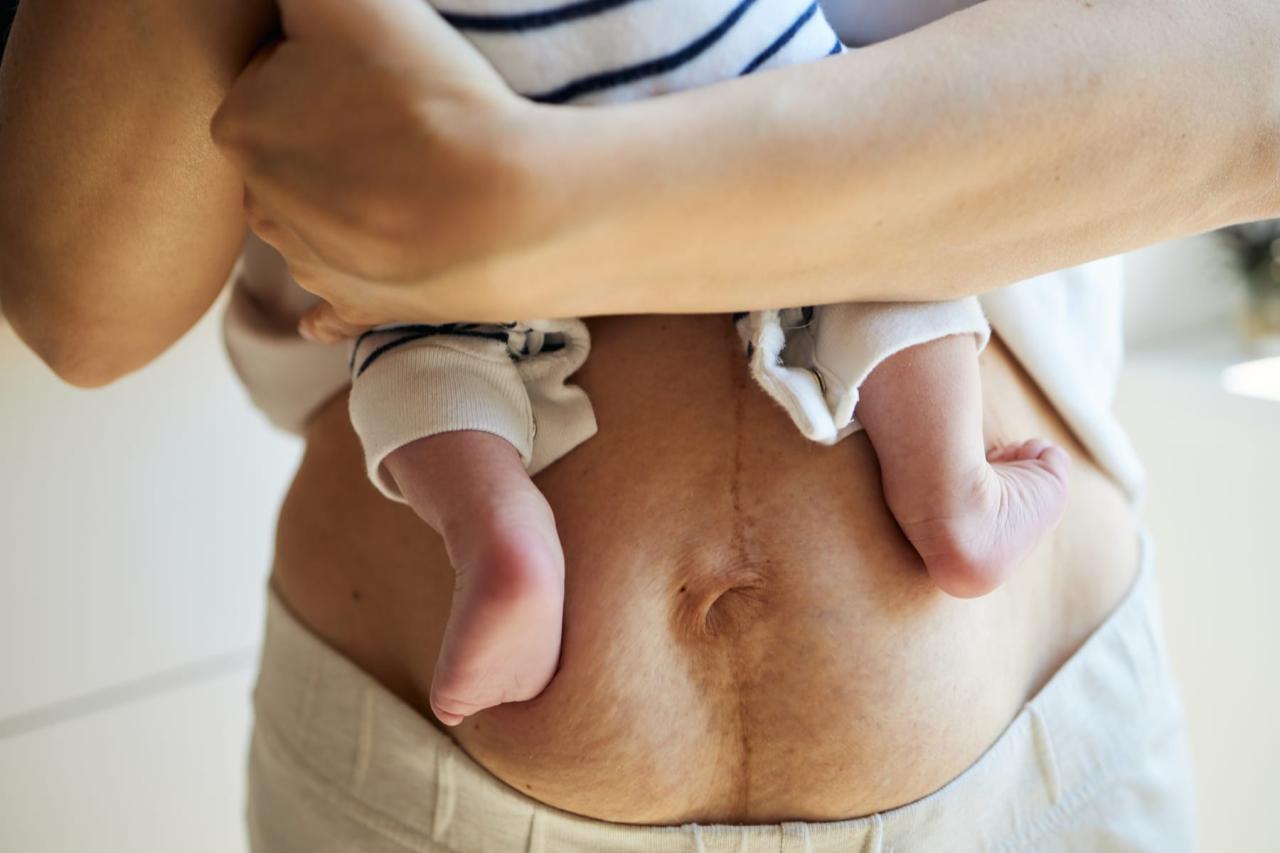
Postpartum recovery is the period after childbirth when your body begins to heal and adjust to no longer being pregnant. Postpartum recovery generally lasts for 6-8 weeks after delivering your baby or until your body returns to its pre-pregnancy state. Postpartum recovery may take longer if you had a C-section, delivered multiple babies, or experienced any complications.
During this time, your body goes through physical recovery while facing numerous postpartum health challenges, including:
Uterine shrinkage – After birth, your uterus must shrink back to its pre-pregnancy size, which often causes cramping. Your provider may massage your uterus through your abdomen to help speed up this process.
Bleeding – Postpartum bleeding is normal, especially if you delivered your baby vaginally. This bleeding is usually similar to a heavy period, although you may pass occasional clots.
Breast engorgement – Even if you choose not to breastfeed, your breasts may become painful and swollen as they fill with milk.
Soreness – Vaginal and C-section delivery can both leave you feeling sore. Post vaginal birth, you may have tears or an episiotomy – a surgical incision made in the perineum (the area of skin and muscle between your vagina and anus) to widen the vaginal opening. After a C-section, you will have a surgical incision on your lower abdomen, just above the pubic hairline.
Swelling – Your body accumulates a lot of extra fluids during pregnancy, which can lead to uncomfortable puffiness and swelling in your ankles, legs, feet, and elsewhere.
Fatigue – It goes without saying that giving birth and caring for a newborn can leave you physically exhausted. It is normal to feel drained, especially the first few days and weeks after delivery.
The role of a postpartum nurse or midwife
Here’s the good news: you don’t have to go through postpartum recovery alone, especially at first.
A postpartum nurse is a registered nurse who specializes in providing care to mothers and their newborns after delivery. Postpartum nurses assist with everything from pain management to breastfeeding education to recovery support while you are at the hospital or birthing center. They also help coordinate your discharge and follow-up care.
What is a midwife? In addition to postpartum care, a certified nurse midwife provides care through every step of your pregnancy journey, including prenatal care, childbirth, and other gynecological services. Registered nurses must complete an accredited nurse-midwifery program and pass a board exam to become certified nurse midwives.
Both of these roles are essential to guiding you through postpartum recovery, so you have the smoothest possible transition from hospital or birthing center to home. Pediatric Associates is also providing these practical tips to aid your postpartum recovery, so you can begin healing physically and mentally.
Are you the partner or loved one of a brand-new mother? These tips can help you take better care of them as well.
Remember that rest is essential
Your body has been through a major ordeal, so prioritize rest and sleep whenever possible. Even taking short naps when your newborn allows can be helpful. Do not use these opportunities to do housework or other chores – put your feet up and rest instead.
Horizontal rest, such as lying on the couch or in your bed, is best for postpartum recovery. This type of rest takes pressure off your pelvic floor muscles so they can heal. Horizontal rest also reduces swelling and allows your uterus to contract after delivery.
You may not be one to usually ask for help. But if you aren’t getting enough rest, breaking out of your comfort zone is absolutely in your best interest now – especially if you have other children to care for.
Don’t be afraid to reach out to family members, friends, neighbors, and others to ask for help so you can make rest a priority. You will likely be surprised at how happy they are to lend you a helping hand.
Be prepared for vaginal bleeding and cramps
After a 9-month break from your period, the time has come for vaginal bleeding and cramps to begin again.
When does bleeding stop after birth? You can expect vaginal bleeding for up to six weeks. Mothers who have C-sections tend to bleed less, but for the same duration of time. Use sanitary napkins or pantiliners only – no tampons allowed.
Vaginal bleeding should gradually decrease on its own. Contact your provider if your bleeding gets heavier or comes on suddenly, has a foul odor, is accompanied by pain or fever, or if you continue to pass large clots after the first few days.
Cramps are also common as your uterus contracts to return to its pre-pregnancy state. Keep in mind that breastfeeding releases oxytocin into your circulation, which is known to cause uterine cramps as well. However, these cramps should decrease over time.
Keep stitches and incisions clean
The area around your stitches or C-section incision should stay clean and dry. You can use ice packs wrapped in a damp cloth to reduce any pain or discomfort, especially in the first few days. Never apply ice directly to your skin.
Be on the lookout for any signs of infection, such as redness, swelling, fever, chills, or pus. Stitches and incisions can also come apart, leaving you with an open wound. If so, contact your provider right away.
Your stitches or incision may itch while they are healing. Try to resist the urge to scratch, gently rubbing the area with a cream or ointment approved by your provider instead.
Manage pain and discomfort
If you experience pain or discomfort during postpartum recovery, use over-the-counter or prescribed pain medication as advised.
Ice packs, warm baths, and sitz baths (shallow baths for your hips and buttocks) can also help with perineal pain. Be sure to wait the recommended amount of time before taking baths if you still have stitches or sutures in place.
Support breast and nipple health
Breastfeeding provides numerous benefits for both mother and baby, but it can be painful at first. To reduce nipple pain during breastfeeding, use a provider-recommended nipple cream to create a soothing barrier.
Is your baby latching properly? If you can’t get a good, deep latch while feeding, consider speaking with a lactation consultant for breastfeeding support. You should also reach out to your OB/GYN or pediatric provider for lactation support if pain while breastfeeding persists.
A new mother’s breasts usually become engorged with milk the first day or two after birth, which can be painful. Of course, nursing decreases the discomfort, but breast engorgement can also cause latching difficulties. Gently massaging your breasts and expressing milk manually or with a breast pump can help soften your nipples, allowing your baby to latch more easily.
Increased breast or nipple pain, redness, warmth, or fever can be signs of a serious condition called mastitis. If you experience any of these symptoms, contact your provider or seek emergency care immediately.
Go skin-to-skin with your baby
Even when you aren’t breastfeeding, skin-to-skin contact with your newborn has many postpartum benefits for both mother and baby.
Placing your baby directly on your bare skin is the ultimate postpartum bonding experience, but it also helps to regulate your baby’s temperature, improve their breathing, and encourage their natural instinct to breastfeed. (This practice is often referred to as kangaroo care for premature and low-weight babies.)
Skin-to-skin contact provides your baby comfort and reduces their stress levels – and studies show it can do the same for you by releasing oxytocin, a hormone that promotes feelings of happiness and well-being.
Place the baby on your bare chest with their head resting on one side, then cover the baby with a blanket to keep them warm. Allow your baby to remain skin-to-skin for as long as possible, ideally for at least one hour at a time. (Bonus: your partner can enjoy skin-to-skin sessions, too.)
Eat well and stay hydrated
Your body needs extra nutrients and plenty of fluids to heal after giving birth, especially if you are breastfeeding. Continue taking your prenatal supplements or other provider-recommended supplements during postpartum recovery.
Nutrition is another critical part of postpartum recovery. Focus on eating balanced meals that contain nutrient-dense foods, such as leafy greens, lean meats, fish, eggs, legumes, whole grains, fruits, and nuts. Nutrients like protein, iron, omega-3 fatty acids, calcium, vitamin C, and zinc help repair tissues, replenish lost blood, strengthen your immune system, and increase your milk supply if you are breastfeeding.
Breast milk is more than 80% water, so staying hydrated is also essential for effective milk production. Aim for at least 8-10 glasses of water daily. Caffeinated beverages like coffee, soda, and energy drinks defeat the purpose of hydrating because they act as diuretics, which make you urinate more. Therefore, water is always the best choice.
Watch for postpartum complications
Unfortunately, not everyone’s postpartum recovery goes as smoothly as they hope. Seek emergency medical care if you have:
A fever of 100.4°F or higher
Heavy bleeding
Severe pain or swelling
Chest, shoulder, neck, abdominal, or back pain
Shortness of breath
Vision changes, severe headache, pain in your upper belly or shoulder, sudden weight gain or swelling, and difficulty breathing are signs of a severe, life-threatening condition called postpartum preeclampsia. Ask your provider for more information.
Protect your mental health
Postpartum recovery isn’t just physical – it can also take a toll on your mental health. Many mothers feel overwhelmed as they adjust to life with a new baby and may experience:
“Baby blues” – Do you feel joyous one moment and sad or anxious the next? You probably have “baby blues,” a common condition that causes symptoms ranging from mood swings to crying spells. Thankfully, these symptoms are temporary and should go away in two weeks or less.
Postpartum depression and anxiety – If feelings of sadness, hopelessness, fear, or worry continue to persist or get worse, you may have postpartum depression or anxiety. The symptoms of both disorders last longer than “baby blues” and can potentially be severe. Protect your mental health by seeking professional treatment.

Other practical tips
Here are some additional ways to prioritize your health during postpartum recovery:
Attend postpartum checkups – These visits are vital for monitoring your physical and emotional recovery.
Use supportive products – Items like maternity pads, peri bottles (handheld squirt bottles used to gently clean the perineal area), nursing bras, and belly support wraps can aid with comfort and healing.
Set boundaries for visitors – Family members and friends are likely excited about your new arrival, but it’s okay to decline visits as you go through postpartum recovery. Protect your time and energy first.
Make time for self-care – You can’t take care of your newborn properly if you don’t take care of yourself, too. Even 10 quiet minutes to yourself can help reset your mind and mood.
Ask for help when you need it – Some days of postpartum recovery will be harder than others. Trust the process and reach out to your provider, partner, family members, and friends when you need help. Pediatric Associates is here to support you every step of the way.