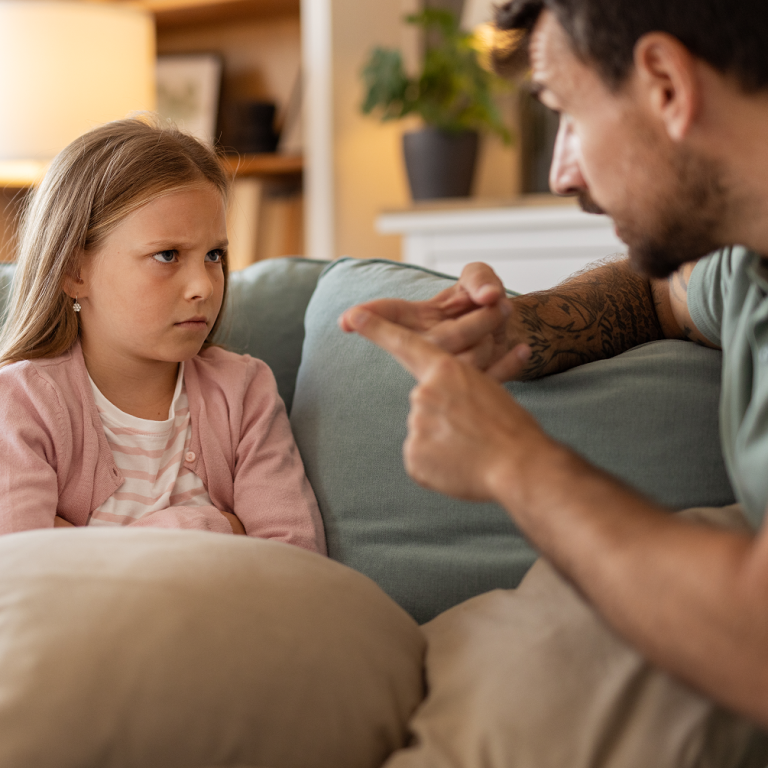
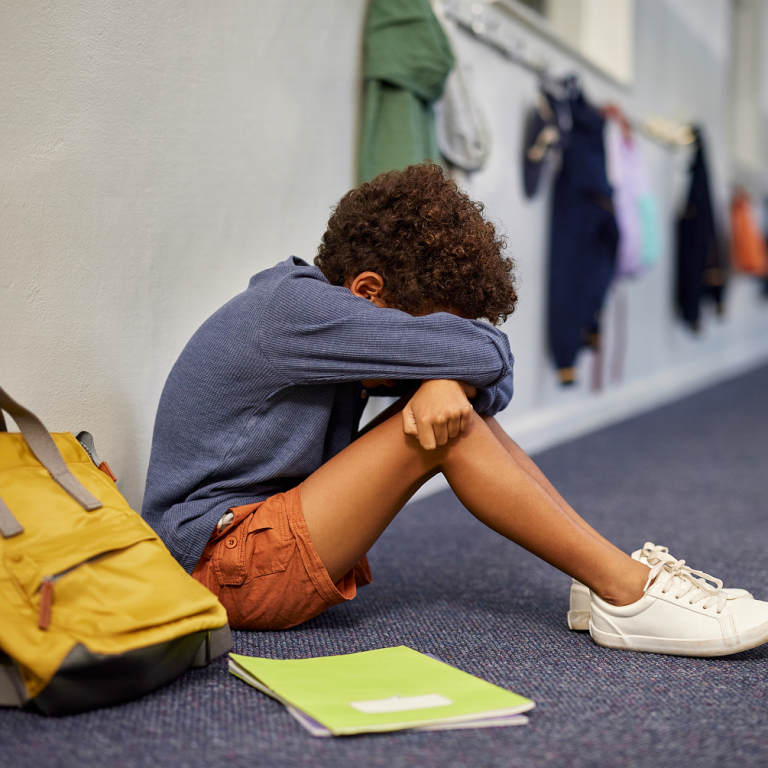
Bullying—whether in person or online—is a serious public health issue and is never acceptable. It can negatively affect a child’s emotional, psychological, and physical well-being. Parents play a vital role in prevention and early intervention by encouraging open communication, teaching empathy and respectful behavior, monitoring for warning signs, and taking appropriate steps to protect and empower their child.
Table of contents
- Introduction
- The New Era of Bullying
- What Is Bullying?
- Types of Bullying
- Warning Signs That Your Child May Be Being Bullied
- Why Don’t Children Ask for Help?
- Is It Bullying or Normal Conflict?
- How Parents Can Help Prevent and Address Bullying
- Understanding Bystanders
- Encourage Your Child to Be an “Upstander”
- What Parents Need to Know About Cyberbullying
- Examples of Cyberbullying Include:
- Set Digital Boundaries and Supervise Online Activity
- Seek Professional Help When Needed
The New Era of Bullying
Every day, millions of children experience fear, embarrassment, and distress related to bullying. Approximately 20% of children ages 12 to 18 report being bullied by peers, with a growing proportion of these incidents occurring online.
Cyberbullying—also referred to as electronic bullying or online bullying—describes this modern form of harassment that takes place through digital platforms such as social media, texting, and gaming. Over the past decade, reports of online bullying among adolescents have increased significantly, reflecting the expanding role of digital communication in children’s lives.
What can parents do? It begins with understanding the facts about bullying, including its short- and long-term effects on children’s mental, emotional, and physical health. The goal is to equip parents with the knowledge and tools to recognize warning signs, prevent bullying when possible, and respond effectively, while supporting their child’s safety, resilience, and emotional well-being.
What Is Bullying?
Bullying is a form of aggressive behavior that can occur at school, online, or in other settings. It is characterized by three key features:
Intentional harm: The behavior is meant to hurt, intimidate, or cause emotional or physical distress to another person.
Repetition: The behavior occurs repeatedly or has the potential to be repeated over time.
Imbalance of power: There is a real or perceived power difference between the child who bullies and the child who is targeted, such as differences in physical strength, social status, popularity, or access to embarrassing or private information.
Bullying includes unwanted aggressive actions that interfere with a child’s sense of safety, well-being, and ability to learn or socialize.
Types of Bullying
Physical bullying is only one form of bullying seen today. Bullying can take many forms, and some—such as verbal, social, and online bullying—may be less visible but equally harmful.
The types of bullying a child may experience include:
Physical bullying: Hitting, kicking, pushing, tripping, inappropriate touching, or damaging another person’s belongings.
Verbal bullying: Name-calling, teasing, insults, threats, racist or discriminatory slurs, and inappropriate sexual comments.
Social (relational) bullying: Spreading rumors, intentional exclusion from group activities, manipulating friendships, or public humiliation.
Cyberbullying: Using digital devices, social media, gaming platforms, or messaging apps to harass, threaten, embarrass, or intimidate.
All forms of bullying can negatively affect a child’s emotional health, self-esteem, and academic performance, and should be taken seriously.
Warning Signs That Your Child May Be Being Bullied
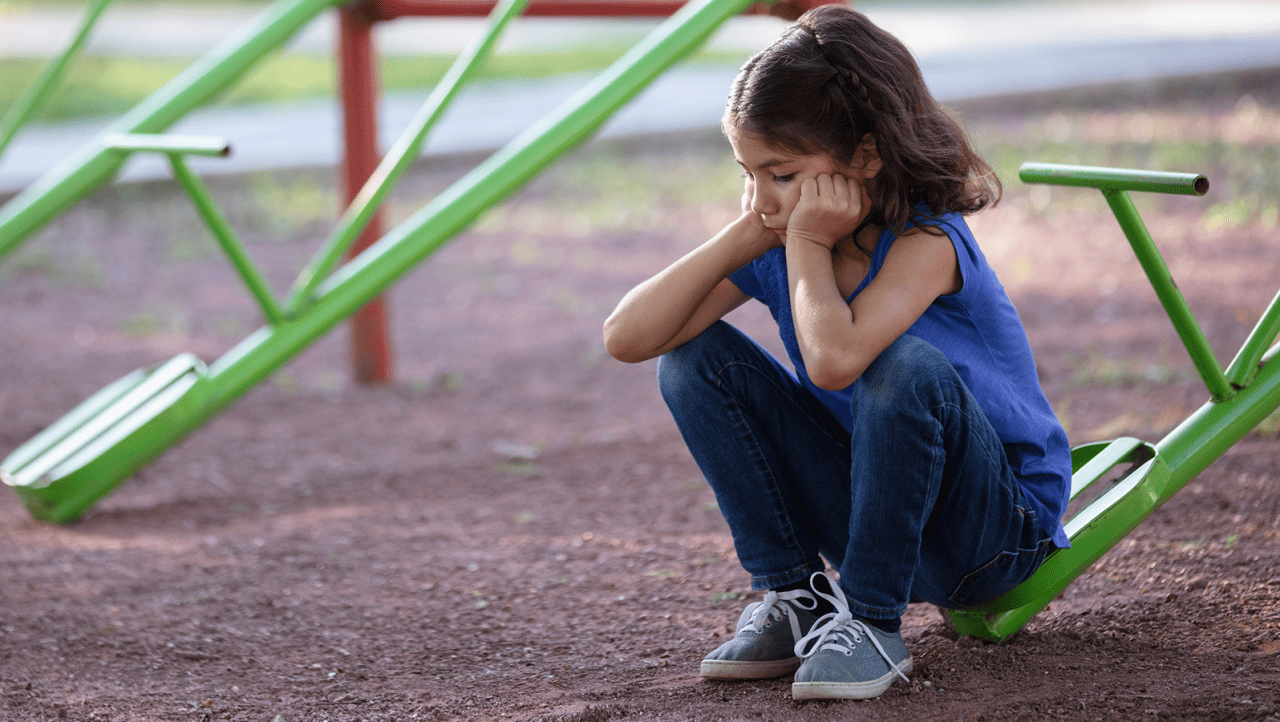
Not all children who are being bullied ask for help, so recognizing possible warning signs is essential. Many of these signs may also be associated with anxiety, depression, or other behavioral and emotional health concerns, which is why they should never be ignored.
Common warning signs of bullying may include:
Unexplained injuries
Lost, damaged, or destroyed personal items, such as electronics, clothing, or jewelry
Changes in eating or sleeping habits, including poor appetite or insomnia
Frequent physical complaints, such as headaches, stomachaches, or feeling unwell without a clear medical cause
Avoidance of school, social events, or extracurricular activities
Sudden loss of friends or social isolation
Declining academic performance or loss of interest in schoolwork
Low self-esteem or increased self-criticism
Reluctance to use digital devices or social media
Strong emotional reactions after being online, such as sadness, anger, or anxiety
If several of these signs are present or persist, it is important to talk with your child and consider involving a pediatrician, school counselor, or mental health professional.
Why Don’t Children Ask for Help?
Many children who experience bullying do not report it to adults. Studies suggest that a significant portion of bullying incidents go unreported. A child may not tell anyone—including parents or teachers—for several reasons:
They feel helpless or want to handle it alone: Children may try to manage the situation themselves in order to regain a sense of control or avoid being seen as a “tattletale.”
They are afraid: A child may fear retaliation from the person bullying them or worry that the situation will worsen if they speak up.
They feel embarrassed or ashamed: Bullying can be deeply humiliating, and children may not want others to know what is being said or done to them, even if it is untrue. They may also worry about being judged or blamed.
They fear rejection or isolation: Children who are bullied often feel socially isolated and may believe that no one will understand or support them.
Understanding these barriers can help parents create a safe, supportive environment where children feel comfortable asking for help.
Is It Bullying or Normal Conflict?
Children may sometimes describe bullying as “just a disagreement,” but there is an important difference between normal conflict and bullying.
Conflict is a disagreement or difference of opinion between peers who are relatively equal in power. It is usually occasional, not ongoing, and both parties are emotionally involved and able to express their viewpoints. Conflict often has the potential for resolution through communication and problem-solving.
Bullying, in contrast, involves intentional behavior that is repeated or has the potential to be repeated over time. It is characterized by a power imbalance between the individuals, and the intent is to harm, intimidate, threaten, or humiliate the other person.
Understanding this distinction helps parents respond appropriately and seek the right kind of support for their child.
How Parents Can Help Prevent and Address Bullying
While no parent can completely control others’ behavior, you can take important steps to reduce your child’s risk of being bullied and help them respond in healthy, effective ways if it occurs.
Create an Open, Trusting Environment at Home
Encourage your child to talk regularly about their day, friendships, and feelings. Ask open-ended questions such as, “Who did you sit with at lunch today?” or “Did anything today make you feel uncomfortable?” Then listen without interrupting or minimizing their concerns. This helps children feel safe sharing difficult experiences.
Teach Respect and Empathy
Model respectful behavior in your own interactions. Talk positively about differences among people and show appreciation for viewpoints that differ from your own. Teach your child to treat others with kindness, to stand up for peers in safe ways, and reinforce that bullying behavior is never acceptable.
Help Your Child Build Confidence and Resilience
Encourage involvement in activities your child enjoys to foster positive peer relationships and a sense of belonging. Help your child practice assertiveness skills, such as using a calm, confident voice, making eye contact, and setting clear boundaries, which can reduce vulnerability and improve coping.
Respond Calmly and Supportively
If your child reports being bullied, stay calm, listen carefully, and reassure them that it is not their fault. Gather and document relevant information when appropriate (such as dates, screenshots, or photos of injuries). Avoid advising your child to “toughen up” or retaliate, as this can escalate the situation. Instead, work with your child, the school, and healthcare providers as needed to ensure their safety and well-being.
Work With Your Child’s School and Other Authorities
Notify your child’s teachers, school counselor, or principal in writing about the bullying concerns. Review your school’s anti-bullying policies and procedures, and follow up to ensure the situation is addressed appropriately and in a timely manner.
In cases of cyberbullying, report the behavior to the relevant social media platforms, apps, or websites so that content can be reviewed and removed when appropriate. If the bullying involves credible threats, harassment, stalking, or physical harm, contact local law enforcement to ensure your child’s safety.
Collaboration between families, schools, and community resources is essential to effectively address bullying and protect children’s well-being.
Teach Your Child What to Do if They Witness Bullying
Witnessing bullying can affect a child’s emotional well-being, especially if they know the victim and feel powerless to intervene. Even if your child is only a bystander, it is important to talk with them about what they see and how to respond.
Understanding Bystanders
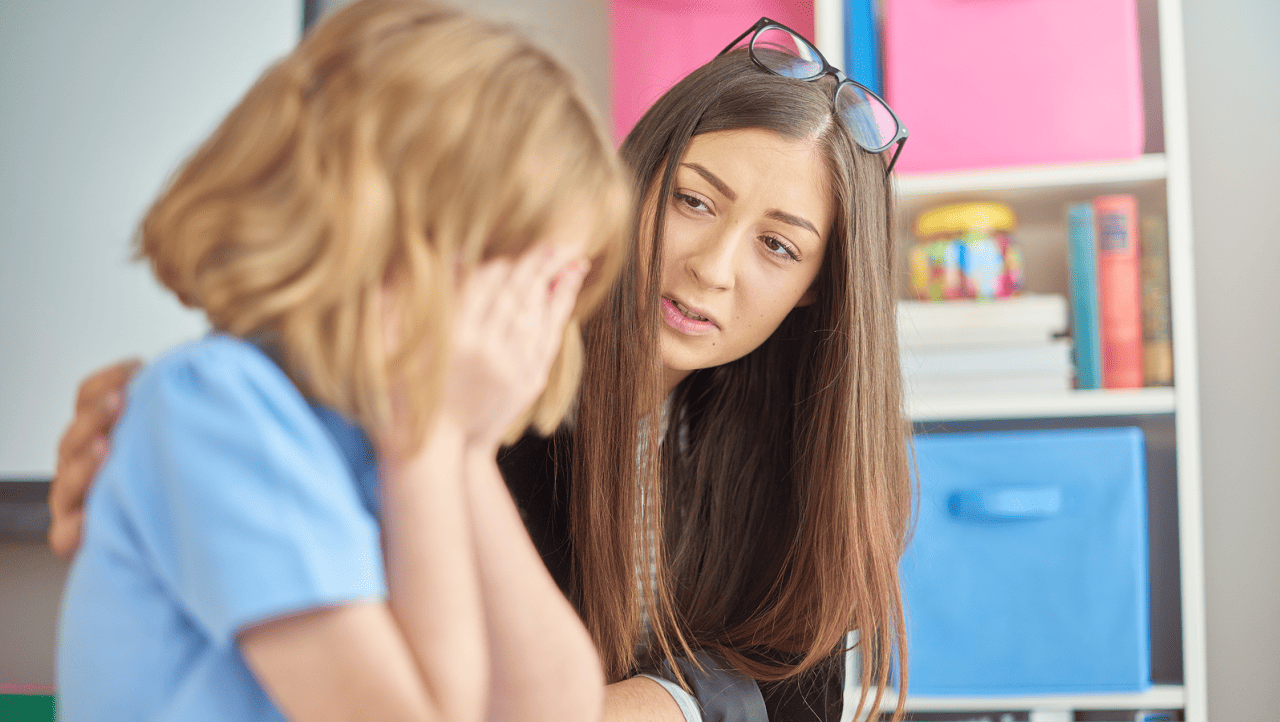
Bystanders are people who witness bullying or cyberbullying but do not take action. This is common—children may not know how to respond, may fear retaliation, or worry about being excluded by peers if they help the victim.
However, doing nothing can unintentionally signal to the bully that their behavior is acceptable. Teaching children safe ways to respond can help them become responsible, compassionate “upstanders.”
Encourage Your Child to Be an “Upstander”
Whether or not they know the victim, children can take safe, supportive actions, including:
Do not laugh or encourage the bully in any way.
Do not participate or act as an audience for the bullying.
Stay at a safe distance and, if possible, help the victim move away from the situation.
Report the bullying to a trusted adult—reassure your child that this is not “tattling,” but a responsible and courageous way to protect someone.
Support the victim privately by saying something kind, offering comfort, or inviting them to join an activity.
Remind your child that if they witness bullying—or experience it themselves—they should come to you immediately. Open communication and guidance can help them respond safely and build empathy for others.
What Parents Need to Know About Cyberbullying
For many parents, online bullying is new territory—but it is important to understand and address it. Cyberbullying can occur on smartphones, computers, tablets, gaming systems, and other digital devices. It can happen at any time, reach a wide audience quickly, and may be anonymous.
Examples of Cyberbullying Include:
Sending mean, threatening, or harassing texts or messages
Posting hurtful comments on social media or forums
Spreading rumors online
Sharing embarrassing or private images or videos, including AI-generated content
Sharing personal information without permission
Creating fake profiles to harass, impersonate, or intimidate someone
Unlike traditional bullying, cyberbullying leaves a digital footprint that can serve as evidence. Save all relevant texts, messages, posts, or images—such as by taking screenshots—and report them to the appropriate platforms.
Cyberbullying can also be a crime, particularly when it involves harassment, credible threats, stalking, or defamation. Contact your local law enforcement agency for guidance if you suspect your child is a victim of criminal cyberbullying.
Set Digital Boundaries and Supervise Online Activity
In addition to discussing the dangers of cyberbullying and the importance of respectful behavior online, parents can take practical steps to help prevent cyberbullying:
Educate yourself: Learn about the apps, websites, and games your child uses, and periodically review their profiles or activity together.
Monitor use: Keep digital devices in shared or common areas of the home and set reasonable limits on screen time.
Use parental controls: Enable privacy settings, content filters, and other safety features as needed to protect your child.
Block and report bullies: If your child is being targeted online, block the offending accounts and report the behavior to the platform.
If your child experiences cyberbullying, remain calm and provide reassurance that you are there to support them. Encourage open communication and work together to address the situation safely.
Seek Professional Help When Needed
Bullying is not “just kids being kids”—it can have serious emotional and psychological effects. If your child shows signs of anxiety, depression, or other stress-related issues, consider consulting a mental health professional. Your pediatrician can help screen for emotional distress and guide you toward appropriate support and treatment.