
As children grow and change, so does their behavior. Teaching your child how to behave appropriately is a job that takes time and patience – and Pediatric Associates is here to help. Read on to learn how to discipline your child and manage behavioral problems effectively.
Table of contents
- Introduction
- Discipline is about teaching, not punishment
- Set clear, consistent rules and expectations
- Use positive reinforcement
- Offer choices when appropriate
- Model the behavior you want to see
- Use timeouts effectively
- Teach problem-solving skills
- Be age-appropriate and developmentally realistic
- Don’t expect perfection
- Create a predictable routine
- Know when to seek behavioral help
Discipline is about teaching, not punishment
The goal of discipline is not to hurt, shame, or frighten your child. Instead, discipline is meant to teach your child the difference between right and wrong and how to practice self-control. Discipline also helps keep your child safe, especially when they are too young to realize the danger of certain situations.
Discipline vs. punishment
Punishment aims to stop a negative behavior by giving your child a penalty that makes them unhappy enough to stop what they are doing. With punishment, the parent is in control, at least for the moment.
The message: “You need to stop doing that – it’s wrong.”
Your child learns: Their behavior needs to be managed by you, and they need to be careful not to get caught if they want to avoid the consequences.
Discipline aims to correct a negative behavior by giving your child a logical consequence for their wrongdoing. Like punishment, this proactive approach stops the behavior in the moment. But instead of the parent being in control, discipline puts the child in control of their own behavior and decisions, so they learn how to behave differently in the future.
The message: “Here’s what you can or should do instead.”
Your child learns: They can manage their own behavior through self-control, and they need to make changes if they want to avoid the consequences.
Here's an example of positive discipline. Your child throws a toy at you. A typical punishment would be a stern “No!” and taking the toy away for the rest of the day. Instead, you say, “Throwing toys can hurt. We’ll put the toy away for now.” Then you explain to your child that if they want the toy back, they must not throw it again.
Set clear, consistent rules and expectations
Structure is vital for your child’s development, providing them with the sense of security and predictability needed to learn self-discipline and engage with others. Be clear about your rules and apply them consistently, so your child knows what is expected and what the consequences are if they behave poorly. Talk to family members, teachers, and other caregivers to ensure they use the same consistency as well.

Use positive reinforcement
A little positive reinforcement can go a long way, especially for children.
Positive reinforcement is not the same as bribery, which is an offer made to entice positive behavior from your child. Instead, positive reinforcement is given after the positive behavior has already occurred.
Positive reinforcement for children often involves rewarding their behavior with verbal praise, physical affection (such as a high-five or a hug), privileges, or tangible items (such as a favorite snack or toy). Be specific about what they did to deserve the positive reinforcement – for example, “I love how you shared your toys with your sister.”
Many parents use reward charts to track their child’s progress toward a particular goal, which encourages repetition and builds confidence. Once the chart is filled, the child receives their reward.
Offer choices when appropriate
Offering choices is another way to promote positive behavior. Choices can be offered in countless settings, from meals to chores to playtime. Giving your child small choices (such as “Do you want the red cup or the blue cup?”) can reduce power struggles and help them feel more in control.
It’s also possible to combine positive reinforcement with choices if they are motivating to your child. For example, “Since you’ve made your bed all week, you can pick what cereal you want for breakfast this morning.”
Model the behavior you want to see
Children learn by watching. Try to show respect, patience, and kindness in your interactions with others, including how you handle frustration and anger. If you react to stressful situations by yelling or having an outburst of your own, your child is more likely to mimic that behavior. Seek help if you have your own issues with self-control or temper, and encourage others in your child’s life to do the same.
Discipline of any kind works best when it is delivered calmly and firmly. Pause and take a few deep breaths to regain your composure if needed. Avoid spanking and other forms of physical punishment, which can escalate negative behavior and harm your relationship with your child.
Use timeouts effectively
A brief timeout (typically 1 minute per year of age) can help your child calm down and reflect on their behavior. It should be a quiet, non-punitive break – not a shaming experience. Always remember to focus on the behavior, not the child. Rather than saying “you’re bad,” the timeout should address your child’s action instead (“That behavior is not okay”).
Timeouts are best for aggressive behavior, breaking things, or refusing to follow directions that keep them safe. Firmly explain why your child is going to a timeout (“You have to go to a timeout because you hit your brother”), then lead them to a designated corner or quiet space and begin the timer.
Do not lecture, scold, argue, or give your child excessive attention during the timeout. If they leave the timeout spot before time is up, calmly lead them back, reset the timer, and repeat as needed. After the timeout is complete, give your child the opportunity to behave appropriately – and if they do, praise them for their cooperation.
Teach problem-solving skills
Children of all ages face problems every day, making problem-solving an important skill to learn – even when they are young. Eventually, they will learn how to solve problems by themselves. But for now, discipline provides an excellent opportunity to help your child identify feelings, express them appropriately, and come up with solutions together.
State the problem – Clearly and calmly define what the problem is.
Brainstorm solutions – Encourage your child to come up with solutions. (“The next time you are angry, what can you do instead of hitting?”)
Choose the solution – Agree on the best solution to try.
Use the solution – Ask your child if they think the solution was successful and reinforce any positive behavior.
Be age-appropriate and developmentally realistic
Always consider your child’s age and developmental stage when managing behavior problems. For instance, what seems like defiance in a toddler could be a normal testing of boundaries for their age.
Knowing how to discipline a 2-year-old or 3-year-old is very different from disciplining a school-aged child. Each age range of childhood has its own discipline focus and method(s) that work best:
Infant (0-1 year)
Focus: Creating a safe environment
Method: Gently redirecting from unwanted behavior (for example, if your baby reaches for a dangerous object, you redirect their attention to a safe toy)
Toddler (1-3 years)
Focus: Teaching basic behaviors and right from wrong
Methods: Redirecting from unwanted behavior, using words like “when” and “then” (“When you put your toys away, then you can have a snack”), and reinforcing positive behavior
Preschooler (3-5 years)
Focus: Understanding rules and consequences
Methods: Using timeouts (1 minute per year of age) and other consequences for unwanted behavior, offering limited choices, and reinforcing positive behavior
School-aged child (6 years and up)
Focus: Learning responsibility and self-control
Methods: Connecting discipline to behavior, demonstrating right and wrong with words and actions, discussing expectations together, and reinforcing positive behavior

Don’t expect perfection
Just like parents, all children make mistakes. Discipline is about consistent effort and progress – not perfection. Chasing perfection usually leads to anxiety and disappointment. But progress is always possible!
Breaking down large behavior goals into smaller, more manageable steps can help you build momentum. Focus on celebrating small wins, which also allows room for learning and growth.
Create a predictable routine
Predictable routines help children feel more secure and reduce opportunities for them to act out due to hunger, tiredness, or overstimulation. By knowing what to expect, they feel a greater sense of control and can learn to manage their emotions more easily, with better behavior and fewer power struggles.
Having a consistent schedule for activities like waking up, mealtimes, playtime, and bedtime also encourages healthy habits and improves your child’s time management skills – a win-win for everyone.
Know when to seek behavioral help
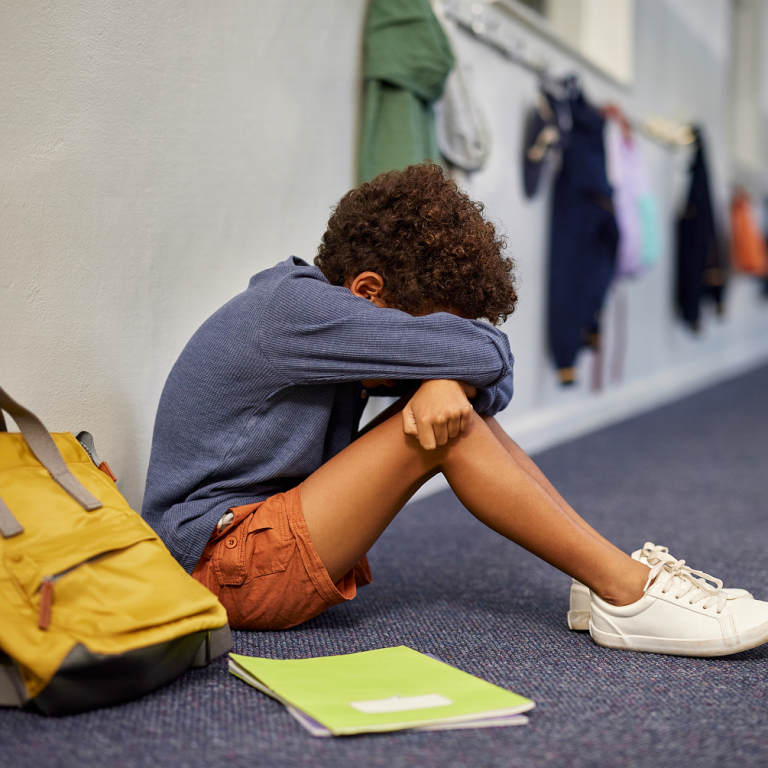
Every child has bad days, but don’t ignore warning signs like aggression, defiance, withdrawal, extreme sadness, or frequent tantrums. Younger children may be more disruptive, while older children may struggle at school or express negative thoughts about their self-esteem. Mental health issues like anxiety or ADHD may also influence your child’s behavior.
Early intervention and timely treatment for behavioral health concerns can make a big difference. It’s important to speak frankly with your pediatrician about these issues, so they can be addressed before they escalate.
If your child’s behavior is frequently negative, severe, or affects their ability to function at home, at school, or with their peers, contact your pediatrician or a child behavior specialist ASAP for professional support.
Behavior at every encounter is not a win or lose situation. Rather it is a continuum of opportunities to move your child at any age, to a place that they can understand, engage, and then enjoy the positive results of their action.