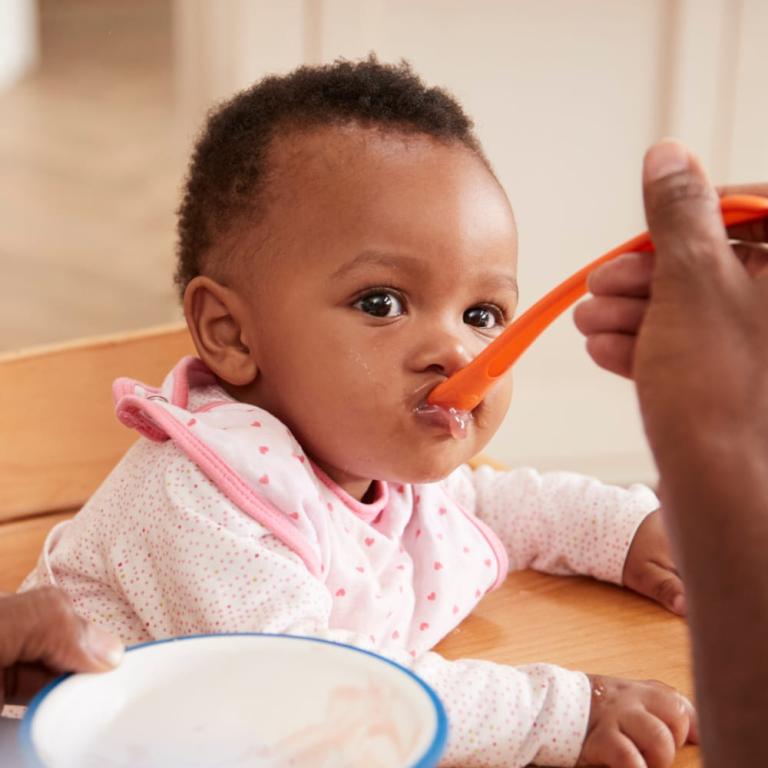
Your baby's nutritional needs are constantly changing. As a new parent, you may not be sure when or how to introduce your baby to solid foods. Pediatric Associates is here to help make the transition from bottle to baby's first foods as smooth as possible.
Table of contents
- Introduction
- When should you start solid foods?
- How can you tell if your baby is ready for solid foods?
- What solid foods should I start with?
- Start with one food at a time
- How do you feed your baby solid foods?
- The scoop on poop
- When is it safe to introduce allergens?
- What solid foods should you avoid?
- What is baby-led weaning?
- When can babies drink water?
- Good eating habits start early
When should you start solid foods?
For your baby's first 4-6 months of life, their diet should consist solely of breast milk or formula. Introducing solid foods before 4 months is not recommended for a number of reasons. For starters, their digestive system is not yet mature enough to handle solid foods.
Introducing solid foods too early can expose your baby to potential pathogens and/or allergens before their digestive system is fully developed, increasing their risk of developing an illness or allergic reaction. Babies under 4-6 months of age also have a tongue-thrust reflex that pushes food out, making it difficult to eat anything solid.
When do babies start eating baby food? The current recommendation is to begin solid foods around 6 months and no earlier than 4 months. Until then, breast milk or formula provides all the nutrients your baby needs.
How can you tell if your baby is ready for solid foods?
Every child's readiness for solid foods depends on their own rate of development. Once your baby reaches 4-6 months of age, it's time to begin watching for signs that your baby is ready to make the transition.
They can sit up with little or no help
They can hold their head steady and upright for the duration of a meal
They start reaching for objects and bringing them to their mouth
They show interest in your food by watching you eat or reaching for your plate
They can move food to the back of their mouth and swallow
They no longer have the tongue-thrust reflex
If your baby cannot sit up without support, it's best to wait a bit longer to introduce solid foods. You can help your baby get ready and build their strength with floor time play, including tummy time and rolling over.
If your baby still can't sit without support by 7 months of age, consult with a Pediatric Associates clinician.
What solid foods should I start with?
Solid foods are a big step for your baby, and adjusting to them may take time. Remember, your baby is learning how to use their mouth, tongue, and throat in a whole new way. You should continue feeding your baby up to 32 ounces a day of breast milk or formula to ensure their nutritional needs are met.
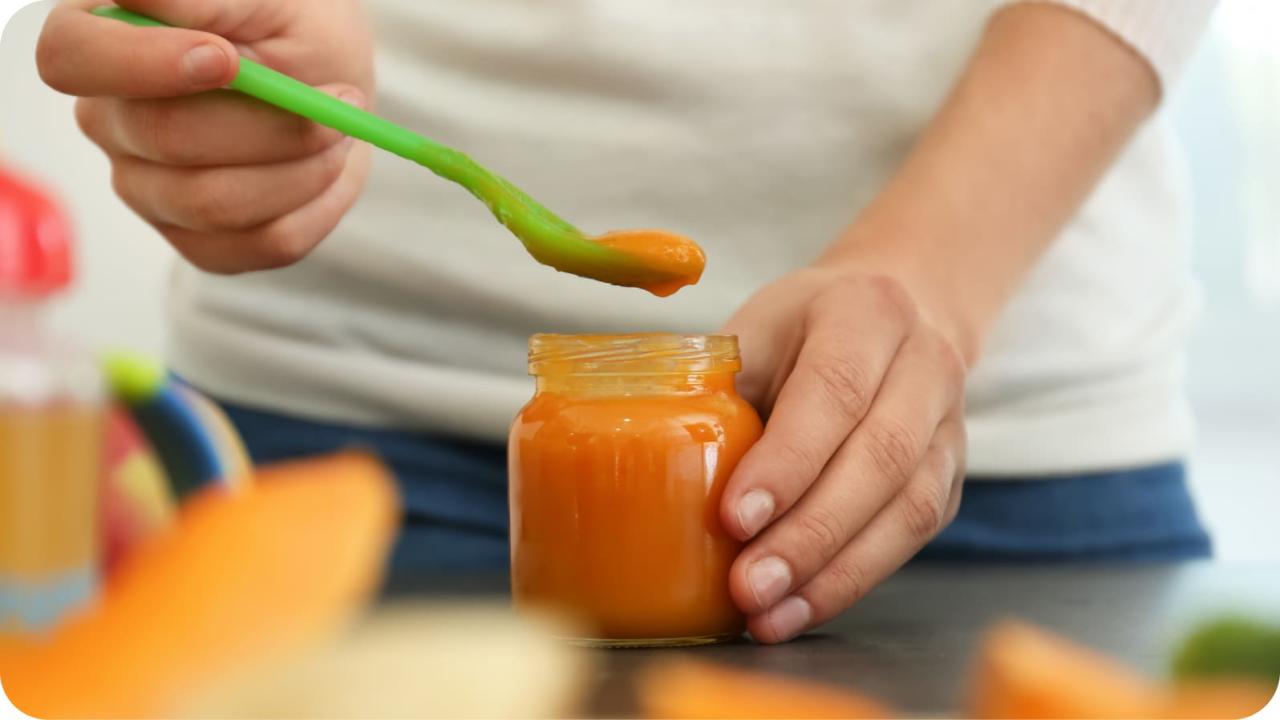
It's best to start your baby off with single-ingredient soft foods. These can be homemade or store-bought as long as there's no added salt or sugar – always check the label to be sure. Some good first foods for babies 4-6 months of age (typically labeled as stage 1 baby food in stores) include:
Iron-fortified infant cereal (rice, barley, or oatmeal)
Mashed avocados
Pureed sweet potatoes
Pureed carrots, peas, or green beans
Mashed bananas or pears
Iron is extremely important at this age, which is why iron-fortified cereals top the list. Other iron-rich food options for your baby include:
Pureed meats (such as chicken or beef)
Mashed lentils or beans
Your clinician can provide personalized food recommendations to ensure that your baby gets enough iron.
Start with one food at a time
Be sure to introduce only one new food at a time, so you can identify potential food allergies or intolerances. Introducing a single food for a few days makes it easier to isolate the cause if your baby has a reaction. This approach also allows your baby's digestive system to adjust. Watch closely for any signs of an allergic reaction, such as rashes, hives, vomiting, diarrhea, coughing, or wheezing.
Wait 3-5 days between each new food. Over time, you can gradually introduce a variety of foods from different food groups. Your baby's facial expressions and body language will quickly tell you which foods are their favorites – and which ones they want to remove from the menu!
How do you feed your baby solid foods?
Start your baby with half a spoonful or less at a time, enthusiastically encouraging them to try something new. Your baby may not know what to do with solid foods at first. They may seem confused, roll the food around inside their mouth, or reject it altogether.
At first, it may help to give your baby a little breast milk or formula, followed by a few small half-spoonfuls of food. You can finish with more breast milk or formula, especially if the solid food was not well-received. Doing this will help prevent your baby from getting hungry and frustrated.
Warning: Your first feedings will likely be messy! Do not be surprised if most of their first solid food attempts end up on your baby's face, hands, and bib. Increase the amount of food you give them gradually, giving your baby time to learn how to swallow – and enjoy – solid foods.
If your baby cries or turns away when you try to feed them, do not force them to eat. Instead, go back to breast milk or formula exclusively for a few days before trying again.
The scoop on poop
Once your baby starts eating solid foods, their stools will become more solid and vary in color. For instance, peas may turn your baby's stool the same green color. Solid foods also cause your baby's stools to have a much stronger odor (sorry!).
If your baby's food is not thoroughly mashed or pureed, you may find undigested pieces of food in their diaper – this is perfectly normal. If their stools are loose, watery, or full of mucus, your baby's digestive system may be having difficulty processing solid foods. Reduce the amount of food you give your baby and introduce new foods more slowly until their stool improves. If the problem continues, consult with your clinician.
When is it safe to introduce allergens?
The thought of giving your baby food that contains allergens may seem frightening. But research suggests that introducing common allergenic foods around 6 months of age might actually reduce your baby's risk of developing allergies later in life.
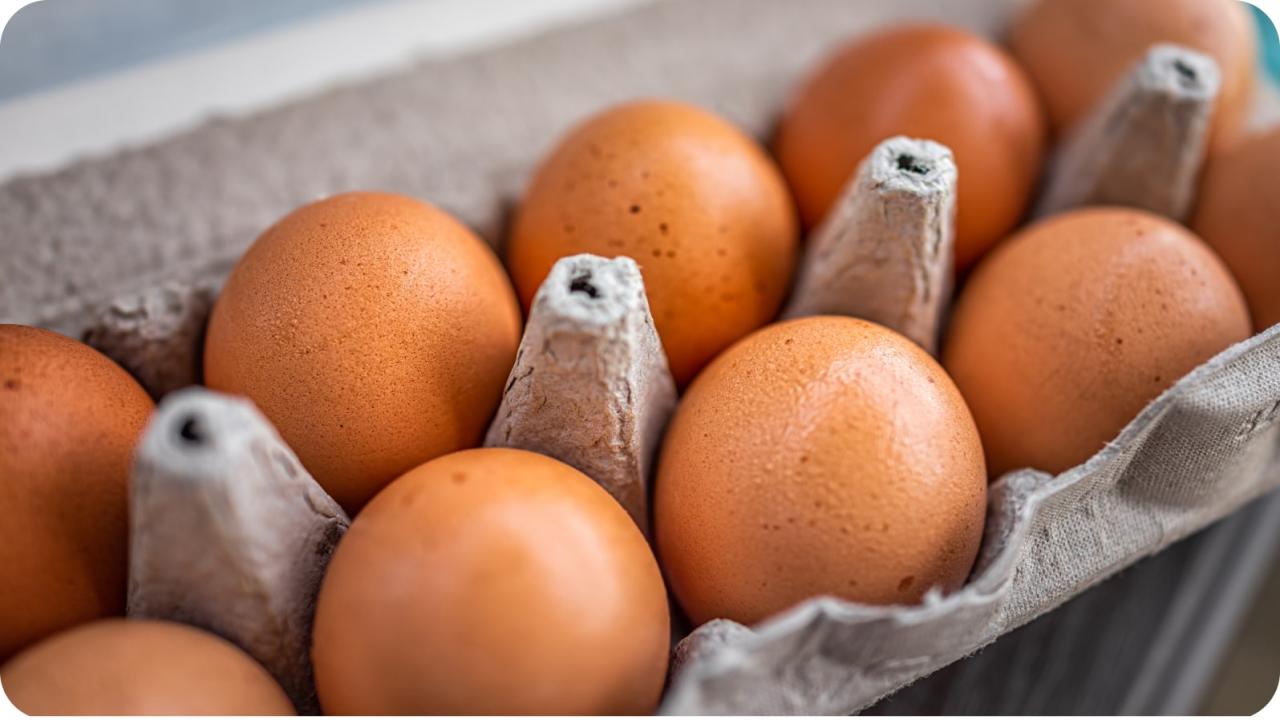
Once your baby begins eating solid foods, your clinician may recommend offering small amounts of allergenic foods like:
Eggs
Creamy peanut butter (never chunky) mixed with water or infant cereal
Dairy products, such as yogurt or cheese
Fish
Wheat
Like other solid foods, offer these foods in small amounts and watch closely for any signs of an allergic reaction, which could be more severe. If your baby has a family history of allergies or eczema or has already had an allergic reaction to something else, ask your clinician before introducing allergenic foods.
What solid foods should you avoid?
When starting solid foods, it's important to avoid foods that threaten your baby's health or offer little nutritional value, such as:
Honey
Honey can contain bacterial spores that cause a serious illness called infant botulism. Honey is also a high-sugar food that contributes to weight gain, tooth decay, and other health problems for babies.
Cow's milk
Small amounts of cow's milk in their food is okay, but your baby should not drink cow's milk until they are age 1 or older. While cow's milk is rich in calcium, it lacks essential nutrients like iron and vitamin E that your baby needs.
Added salt and sugar
Too much salt can damage your baby's kidneys, and limiting your baby's sugar intake is essential to lifelong health. Salt and sugar should be avoided during your baby's first 2 years of life and then limited as they grow.
Juice
Your baby's primary drink for their first year of life should be breast milk or formula. Instead of juice, which is loaded with added sugars, offer your baby mashed fruit instead.
Choking hazards
Many foods can become choking hazards for babies, especially foods that are round, hard, or slippery. Avoid giving your baby foods like whole grapes, hot dogs, popcorn, raw vegetables, and nuts, and always cut food into small, manageable pieces – especially when baby-led weaning begins.
What is baby-led weaning?
Once your baby has the hang of eating solid foods, the next step is baby-led weaning. This method skips spoon-feeding pureed foods and lets your baby graduate to feeding themselves soft, finger-sized foods by hand.
The best baby-led weaning foods are nutritious and easy for your baby to eat, even if they make a mess. Examples include:
Steamed carrot sticks
Soft avocado slices
Toast topped with mashed bananas
Soft-cooked pasta
Again, be mindful of bite sizes that are safe and appropriate, and watch your baby closely as they eat.

When can babies drink water?
It's obviously not a solid food, but many parents question when they should begin giving their baby water. Your baby has a tiny stomach, and water can fill it up without providing the essential nutrients and calories they need to thrive.
Once your baby starts eating solid foods at 4-6 months of age, you can start offering small amounts of water with meals. Begin with a few sips, using a cup to help build their drinking skills. Breast milk or formula should remain your baby's primary source of hydration until their first birthday.
Good eating habits start early
Learning how to sit up, take food with a spoon, feed themselves by hand, and stop when they are full all help your baby's develop a healthy approach to eating. Research also suggests that having dinner together as a family has positive effects, so encourage family meals from the first feeding.
If you have questions about your baby's nutrition, including concerns about starting solid foods, contact Pediatric Associates today.